Do You Think No One’s Buying Homes Right Now? Think Again.

If you’ve seen headlines saying home sales are down compared to last year, you might be thinking – is it even a good time to sell?

Here’s the thing. Sure, the pace of the market has cooled compared to the frenzy we saw just a few years ago, but that’s not a red flag. It’s a return to normal. And normal doesn’t mean nothing’s happening. Buyers are still out there – and homes are still selling.

Why? Because real life doesn’t pause for perfect conditions. There are always people who need to buy – and this year is no exception. Buyers who are in the middle of a big change in their lives, a new marriage, a growing family, or a new job still need to move, no matter where mortgage rates are. And they may be looking for a home just like yours.

Every Minute 8 Homes Sell

Let’s break it down using the latest sales data from the National Association of Realtors (NAR). Based on the current pace, we’re on track to sell 4.03 million homes this year (not including new construction).

  • 4.03 million homes ÷ 365 days = 11,041 homes sell per day
  • 11,041 homes ÷ 24 hours = 460 homes sell per hour
  • 460 homes ÷ 60 minutes = roughly 8 homes sell every minute

That means in the time it takes to read this, another 8 homes will sell. Let that sink in. Every minute, buyers are making moves – and sellers are closing deals.

The Right Agent Makes All the Difference

If you’ve been holding off on selling your house because you think buyers aren’t out there, let this reassure you – there are still buyers looking to buy.

But since the market is balancing out, selling today takes more than just putting up a sign in the yard. You’ve got to price your house right, market it well, and know how to reach the buyers who are ready to act. That’s where a trusted local agent comes in.

They’ll help you navigate this market, position your home to stand out, and guide you through every step.

Bottom Line

The market hasn’t stopped. Buyers are still buying. Life is still happening. And if selling your home is part of your next chapter, let’s make it happen.

Roughly 11,000 homes are selling every day – and yours could be next. When you’re ready to take the next step, let’s connect.

The Reason Why Most Sellers Hire Real Estate Agents Today

Selling your house without an agent as a “For Sale by Owner” (FSBO) may be something you’ve considered. But you should know that, in today’s shifting market, more homeowners are deciding that’s just not worth the risk.

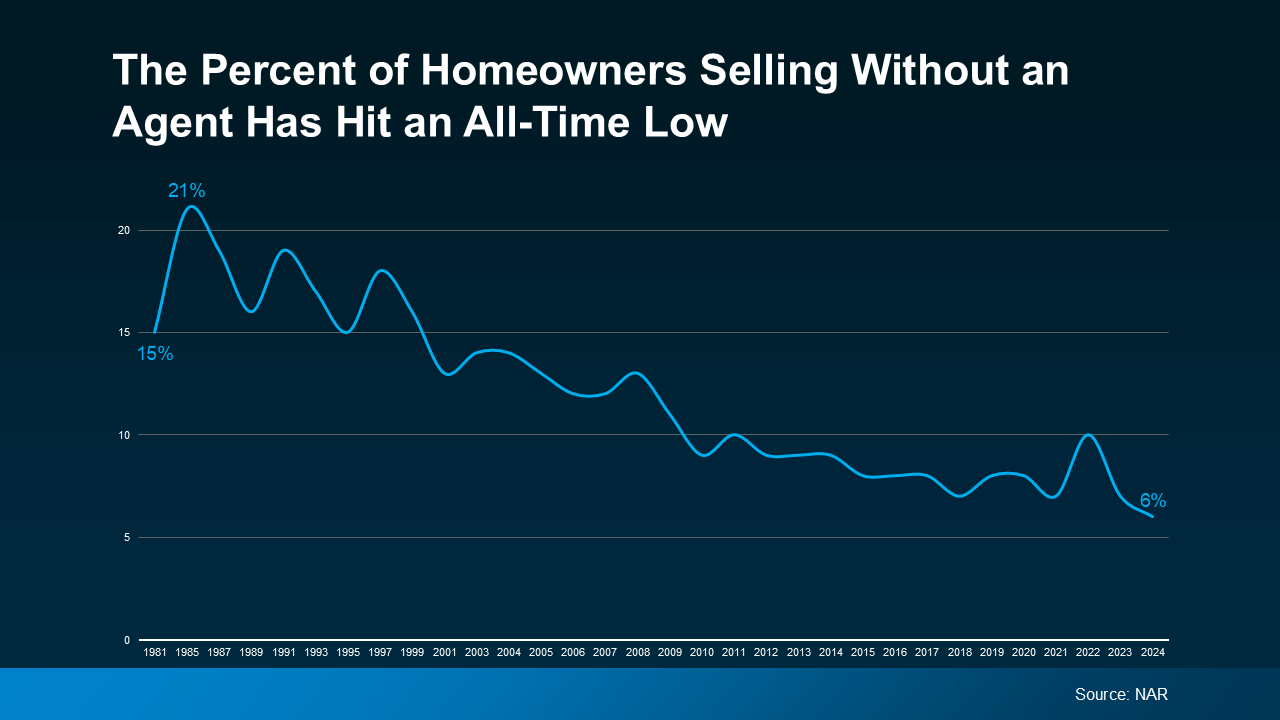
According to the latest data from the National Association of Realtors (NAR), the number of homeowners selling without an agent has hit an all-time low (see graph below):

a graph showing a line of salesAnd for the small number of homeowners who do decide to sell on their own, data shows they’re still not confident they’re making a good choice.

A recent survey finds three out of every four homeowners who don’t plan to use an agent have doubts about whether that’s actually the right decision.

And here’s why. The market is changing – not in a bad way, just in a way that requires a smarter, more strategic approach. And having a real estate expert in your corner really pays off.

Here are just two of the ways an agent’s expertise makes a difference.

1. Getting the Price Right in a Market That’s Evolving

One of the biggest hurdles when selling a house on your own is figuring out the right price. It’s not as simple as picking a number that sounds good or selling your house for what your neighbor’s sold for a few years back – you need to hit the bullseye for where the market is right now. Without an agent’s help, you’re more likely to miss the mark. As Zillow explains:

“Agents are pros when it comes to pricing properties and have their finger on the pulse of your local market. They understand current buying trends and can provide insight into how your home compares to others for sale nearby.”

Basically, they know what’s really selling, what buyers are willing to pay in your area, and how to position your house to sell quickly. That kind of insight can have a big impact, especially in a market that’s balancing out.

2. Handling (and Actually Understanding) the Legal Documents

There’s also a mountain of documentation when selling a house, including everything from disclosures to contracts. And a mistake can have big legal implications. This is another area where having an agent can help.

They’ve handled these documents countless times and know exactly what’s needed to keep everything on track, so you avoid delays. And now that buyers are including more contingencies again and asking for concessions, your agent will guide you through each form step by step, making sure it’s done right and documented correctly the first time.

3. Selling Your House Quickly Even in a Shifting Market

Now that the number of homes for sale has grown, homes aren’t selling at quite the same pace they were. But you can still sell quickly if you have a proven plan to help your house stand out.

Just remember, homeowners don’t have the same network or marketing tools an experienced agent does. So, if you want the process to happen fast, you’ll likely want a pro by your side.

Bottom Line

Having the right agent and the right strategy is key in a shifting market. Let’s connect so you don’t have to take this on solo – and so you can list with confidence, knowing you’ve got expert guidance from day one.For For

Don’t Be Surprised by Capital Gains Tax

If you’ve owned your home for a long time, chances are its value has increased, maybe even doubled, tripled, or more. But did you know that a law written in 1997 still limits the amount of capital gains tax exclusion, despite skyrocketing home prices?

Currently, homeowners can exclude up to $250,000 in gains if single or $500,000 if married filing jointly when selling their primary residence, as long as they’ve lived there for at least two of the last five years. But with today’s home values, more sellers are finding themselves exceeding this exclusion and facing a significant tax bill.

More Homeowners Are Now Affected

In 2023, nearly 8% of home sales surpassed the $500,000 capital gains exclusion. However, in high-cost states like California (28.8%), Hawaii (23.8%), Washington, D.C. (22.1%), Massachusetts (17.9%), and Washington State (15.2%), the numbers were far higher, according to CoreLogic.

What Happens If You Exceed the Exclusion?

If a homeowner sells their home for more than the exclusion allows, the excess profit is subject to long-term capital gains tax rates of 15% to 20%, plus an additional 3.8% net investment income tax for high earners.

For example, if a married couple sells their home with $1 million in gains, they can exclude $500,000, but the remaining $500,000 is taxed at these rates. Depending on their income bracket, they could owe between $95,000 and $119,000 in taxes; an expense many homeowners don’t anticipate.

How to Reduce Your Capital Gains Tax Liability

The key to minimizing capital gains tax is increasing your home’s cost basis, which is done by tracking capital improvements made over the years. Many homeowners are aware that large-scale renovations count, but small-dollar upgrades also qualify and can add up significantly over time.

What qualifies as capital improvements:

  • Kitchen and bathroom remodels
  • New roofs, HVAC systems, and water heaters
  • Adding a deck, patio, or additional living space
  • Energy-efficient upgrades like new windows or solar panels
  • Permanent landscaping enhancements, like retaining walls or irrigation systems

However, repairs and maintenance (like painting, fixing leaks, or replacing worn carpet) typically do not qualify unless they are part of a larger renovation.

The Importance of Tracking Expenses

To take advantage of these tax-saving opportunities, homeowners must document their improvements throughout their entire homeownership.

  • Keep receipts for materials and labor
  • Take before-and-after pictures of major renovations
  • Save contractor invoices or permits for work done
  • Maintain a running list of all home upgrades

Without proper records, homeowners could lose out on thousands in potential tax savings.

Stay Informed and Plan Ahead

The capital gains tax law may not have adjusted to today’s market, but smart homeowners can take proactive steps to minimize their tax burden. If you’re thinking about selling, now is the time to gather your records and consult with a tax professional to ensure you’re maximizing your cost basis.

For more information, download  IRS Publication 523 and our  Homeowners Tax Guide for a detailed look at what qualifies.

If you have any questions about how today’s home values impact your potential sale, feel free to reach out…I’m happy to help!

Your House Hasn’t Sold, Here’s What To Do Now.

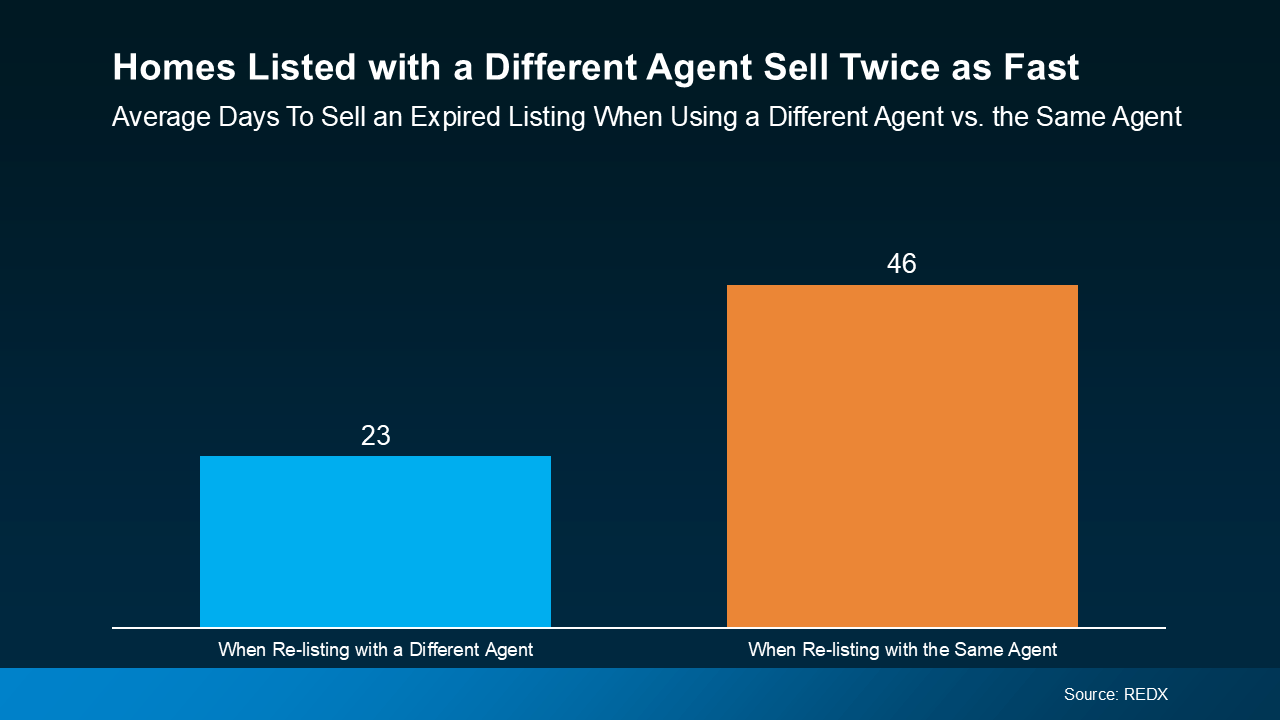
REDX data also shows that only 1 in 3 homeowners with expired listings actually make that change. That means most sellers either give up or repeat the same mistakes, so they get the same disappointing outcome. You deserve better.

Same house. Different strategy. Completely different results. 

Let’s break down what might’ve gone wrong – and how a fresh perspective can help you have a winning strategy this time.

1. It Was Priced Too High

Today, homebuyers are feeling the squeeze of higher mortgage rates, so even a slightly overpriced home will get overlooked. And once your listing starts to go stale, it’s hard to regain momentum.

Missing the mark on pricing is a costly mistake – and too many homeowners are doing that very thing right now.

What we need to do now: We need to analyze the latest sales in your area to make sure you’re hitting the right number. This includes taking a hard look at real-time buyer behavior, and any feedback you got from open houses or showings your first time around. Pricing at, or even just below, current market value is a winning play because it drives more buyers to your listing – and that amps up the competition for your home.

2. It Didn’t Show Well

You only get one shot at a first impression. If the listing photos didn’t pop, the house wasn’t staged well, or it wasn’t updated, most buyers will skip over it without ever scheduling a showing. And even if buyers did show up, small things like scuffed walls, outdated light fixtures, or a wobbly doorknob can turn them away.

What we need to do now: Let’s walk through your house with fresh eyes to see if there are any areas that may have been sticking points inside and out. Sometimes taking down old drapery, some light staging, or even a fresh coat of paint can completely change how a buyer feels about the home.

3. It Didn’t Get the Right Exposure

If your home didn’t sell, chances are it wasn’t getting the visibility it deserved. Generic flyers and a few online photos aren’t enough anymore. Today’s top agents are using highly targeted digital marketing, social media strategies, custom video content, and more to get your listing in front of the right buyers at the right time.

What we need to do now: We have to do more than just put your house online and hope it sells. Together, we can come up with a real plan to maximize its exposure. With the right pricing, staging, and marketing, your house will sell quickly. Here’s a real-world example (see graph below):

4. You Weren’t Willing To Negotiate

In this market, sellers who aren’t open to negotiating on things like closing costs, inspection repairs, or other concessions are often left behind. And if your last agent didn’t set that expectation with you, that’s a real shame.

What we need to do now: Be willing to meet buyers where they are. The goal is to get the deal done – and sometimes that means getting creative to help buyers cross the finish line. Home values have increased by over 55% over the last five years, so you likely have enough wiggle room to offer some perks without sacrificing your bottom line.

Bottom Line

If your house didn’t sell and your listing has expired, you don’t need to give up. You just need a better plan. And a better partner.

Over 70% of homeowners who switch agents sell their house after re-listing it. That’s not a coincidence. That’s strategy.

 If you’re ready for a proven approach, let’s talk so you know what to do differently – and why doing different things actually works. It’s time to get your move back on track.

Things to consider before listing your home

Selling a home in today’s market requires more than just listing it…you need to meet buyers where they are. With home prices at record highs and mortgage rates around 6.5%, many buyers simply don’t have the funds left for renovations or repairs after closing. That’s why preparing your home before listing is crucial to achieving the best possible price, a quick sale, and a smooth transaction.

One of the biggest benefits of preparing your home is financial. Homes that are clean, updated, and in great condition often sell at a higher price. Buyers are willing to pay a premium for a home that’s move-in ready, especially since they likely won’t have the budget for post-purchase improvements. Addressing cosmetic issues or minor repairs before listing helps you avoid buyers nitpicking during negotiations, allowing you to keep more money in your pocket.

Time is another major factor. Homes that are well-prepared tend to sell faster. When your home looks its best, it attracts more attention from serious buyers, making it less likely to sit on the market. A home that lingers too long may eventually require price reductions, cutting into your profit. Preparing your home upfront ensures you’re setting yourself up for success from day one.

Buyers also form opinions quickly, often within minutes of stepping inside a home. A staged, clean, and well-maintained property makes a strong first impression, creating an emotional connection that motivates offers. Plus, addressing potential issues before the inspection can prevent last-minute surprises that might delay or derail the sale.

In today’s competitive market, a well-prepared home also appeals to a broader pool of buyers. Neutral decor and a fresh, polished look allow buyers to envision themselves in the space, making it easier for them to say yes. This broader appeal not only helps your home sell faster but also reduces the likelihood of complicated contingencies.

Preparing your home may take some extra time and effort, but the payoff is worth it. To maximize your home’s value and ensure a smooth sale, schedule a pre-listing prep consultation with your real estate agent. They can guide you on which updates will deliver the highest return and help position your home to attract today’s buyers. A little preparation now can make all the difference when it’s time to sell.

Could It Be Time To Put Your House Back on the Market?

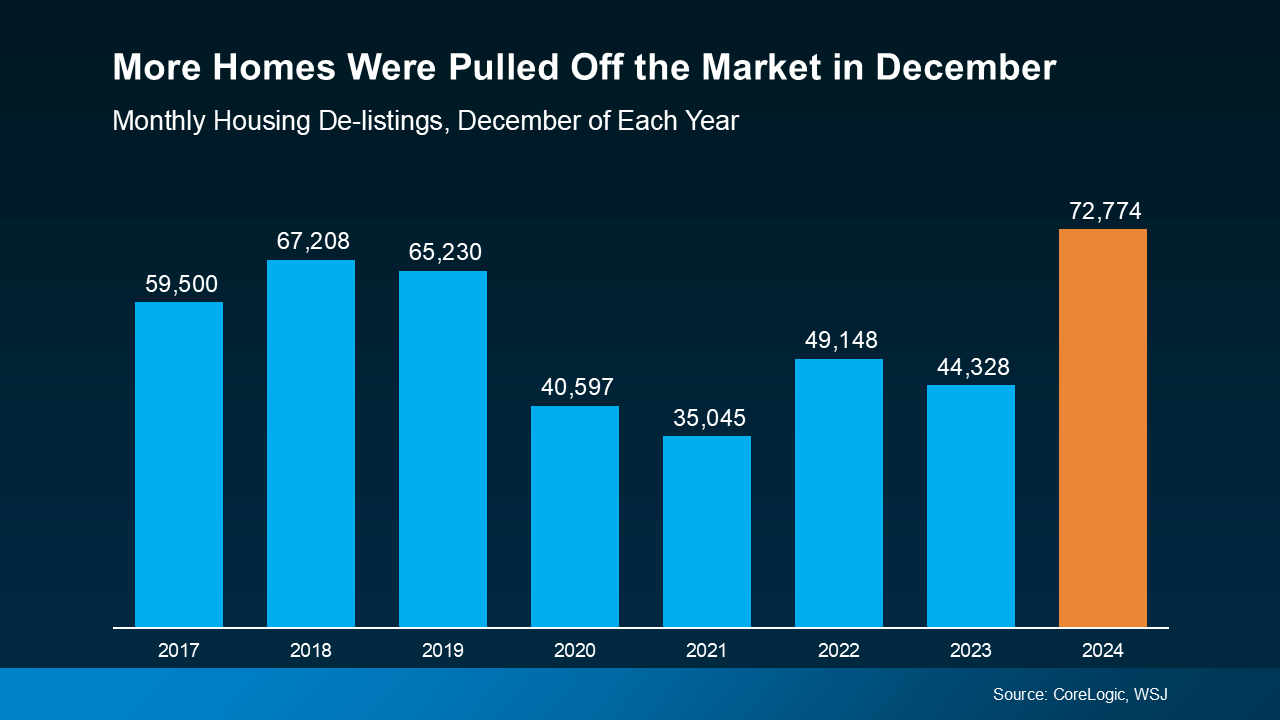
If you took your house off the market in late 2024, you’re not the only one. Newsweek reports that data from CoreLogic and the Wall Street Journal (WSJ) says nearly 73,000 homes were pulled from the market in December alone – that’s more than any other December going all the way back to 2017 (see graph below):

a graph of blue bars with numbersWhether it was because offers weren’t coming in, the timing around the holidays felt overwhelming, or they wanted to see if the market would improve in the new year – a lot of other homeowners decided to press pause, too.

But now, with spring fast approaching, it’s time to reassess. The market is already picking up, and waiting any longer to jump back in may only mean you’d face more competition from other sellers down the road.

Why Now Could Be the Right Time 

Selma Hepp, Chief Economist at CoreLogic, explains that some of those sellers may have pulled their listings late last year with the goal of trying again this spring:

“Another reason for a step back could be that sellers wanted to wait and see how spring home buying season goes, and if mortgage rates fall, which would bring more home buyers and competition back in the market.”

That’s because spring is when buyer demand is typically at its highest point for the year. More people start their home search once the weather warms up. They’re eager to close on a home so they can move in during the summer. So, it’s a great window for sellers. It means more buyers.

And while mortgage rates haven’t fallen dramatically, they have come down some in recent weeks. Early signs already show buyers are becoming more active as a result. Since January, demand has picked up – and that should continue as spring draws even closer.

What To Do Differently This Time

Start by checking the status of your listing agreement. Because even if you pulled your listing, you may still be under contract. And until your listing expires, your agent or brokerage is your best resource on what else you could try to get it sold. Realtor.com offers this advice:

“If you aren’t sure of the status of your listing, whether active, expired, or withdrawn, take a look at your listing agreement and talk to your real estate agent.”

If your contract is still active, now’s the perfect time to reconnect with your agent to explore strategies to get your home sold this time around. If your contract has expired and you’re considering other options, reach out to a trusted real estate professional who can help you figure out where to go from here.

Either way, take some time to reflect on your last experience. What held you back from getting it sold before? And what can you do to improve your chances this time around?

Be sure to include your agent in this thought process. They’ll give you an objective point of view and some advice based on what may have gone wrong last time, like:

  • Your Pricing Strategy: Did buyers overlook your house because it was priced too high? Your real estate agent can help you analyze the latest sales in your area to make sure you’re hitting the right number. Believe it or not, you could actually be leaving money on the table by not pricing competitively. When it’s priced appropriately for the market, your opportunities for multiple offers and buyer competition increase.
  • Your Marketing Approach: Was your home staged to look its best? Did you use a skilled photographer for your listing photos? Small tweaks can make a big difference in how buyers see your house. Something as simple as taking new photos now that it’s spring can help your house show better than it did in the winter listing.
  • Offering Concessions: Were you willing to offer incentives to buyers? As the supply of homes for sale grows, more sellers are entertaining the idea of concessions or incentives to get the deal done. If you weren’t open to those conversations, that may have been a factor, too.
  • Showings and Flexibility: Did you have limits on when buyers could see the home? If your house is accessible and available, you’ll likely get more offers.

Bottom Line

If your house didn’t sell last year, spring may be your second chance. With buyer activity rising, it’s the perfect time to talk to an agent about coming back into the market with a fresh strategy.

What do you want to do differently this time around? Talk to your agent to go over your options and make a plan.

Insightful Questions Can Guide Your Decision

When interviewing real estate agents to sell your home, asking the right questions is key to finding an agent who will best meet your needs. The process of selling a home can be complex, and the right agent will not only have the experience and market knowledge but also the right approach to guide you through every step.

By asking insightful questions, you can gauge an agent’s expertise, communication style, and understanding of your goals, ultimately helping you choose someone who will work tirelessly to achieve the best possible outcome for you.

Here are 25 common questions homeowners often ask when interviewing a real estate agent to sell their home:

  1. What is your experience in real estate, and how long have you been working in this area?
  2. How many homes have you sold in the past year?
  3. What is your average sale-to-list price ratio?
  4. How familiar are you with my neighborhood?
  5. How do you determine the listing price for a home?
  6. What are the current market trends, and how will they impact my home’s sale?
  7. Can you provide references from past clients?
  8. What is your marketing strategy to sell my home?
  9. Do you use professional photography, staging, or virtual tours?
  10. Will you host open houses? If so, how many and when?
  11. How will you keep me updated throughout the selling process?
  12. What online platforms and social media channels will you use to promote my home?
  13. What do you think are the unique selling points of my home?
  14. How do you handle multiple offers?
  15. What is your strategy for negotiating the best price for my home?
  16. What is your commission rate, and what services does that include?
  17. Are there any additional fees I should be aware of?
  18. What steps do I need to take to prepare my home for sale?
  19. How long do you expect it will take to sell my home?
  20. What challenges do you anticipate in selling my home?
  21. Can you provide a comparative market analysis (CMA) for my home?
  22. How do you handle a situation where my home isn’t getting offers?
  23. What happens if I’m not satisfied with your service? Can I cancel the contract?
  24. Do you work alone, or do you have a team?
  25. What sets you apart from other agents? Why should I choose you?

Answers to these questions will help homeowners understand an agent’s expertise, marketing approach, negotiation skills, and overall fit with their needs.  For more information, download our Sellers Guide.

Avoiding tax when you sell your home

In the past, many homeowners didn’t give much thought to keeping detailed records of home improvements. With capital gains exclusion thresholds of $250,000 for single filers and $500,000 for married couples, most homeowners didn’t come close to exceeding these limits when selling their homes.

As a result, they often overlooked the importance of tracking and documenting their expenditures on property improvements. However, the landscape has shifted significantly in the last decade.

The rapid appreciation of home values has pushed many homeowners into a position where they might exceed the capital gains exclusion threshold and owe taxes on their profit. By understanding what qualifies as a capital improvement and maintaining accurate records, homeowners can increase their adjusted basis, thereby reducing their taxable gain when selling their property.

What Counts as Capital Improvements?

Capital improvements are expenditures that add value to your home, prolong its useful life, or adapt it to new uses. These are not limited to big-ticket items like kitchen remodels or room additions, installing energy-efficient windows, replacing a roof, or upgrading HVAC systems.

Even landscaping improvements, building a deck, or adding a fence can qualify, as well as replacing a faucet, adding a video doorbell or other smart devices in the home. The key is that these improvements must be permanent and add to the property’s value.

Why Keeping Records Matters

Every dollar spent on a capital improvement adds to the cost basis of your home. The cost basis is used to calculate your capital gain, which is the difference between your home’s net sale price and its adjusted basis (original purchase price plus improvements). By increasing your cost basis, you can reduce the taxable portion of your profit, potentially saving thousands of dollars in capital gains taxes.

To maximize these benefits, it’s crucial to keep receipts, invoices, and other documentation for all qualifying expenditures. Create a folder�physical or digital�to organize these records and ensure they’re readily available when it comes time to sell your home.

Why This Matters Now

In the last decade, home prices have appreciated at an unprecedented pace. Inventories are smaller and demand is high causing the prices to increase. This rapid growth means more homeowners may find themselves exceeding the capital gains exclusion thresholds.

By properly documenting capital improvements, homeowners can mitigate their tax burden and retain more of their hard-earned equity. As home prices continue to rise, understanding and utilizing these strategies has never been more important.

For more information, consult your tax professional and download our Homeowners Tax Guide or IRS Publication 523.

A Pre-Listing Inspection May Be Worth It in Today’s Market

Selling a house comes with a lot of moving pieces, and the last thing you want is a deal falling apart over unexpected repairs uncovered during the buyer’s inspection. That’s why it pays to anticipate potential issues before buyers ever step through the door. And one way to do that is with a pre-listing inspection.

What Is a Pre-Listing Inspection? 

A pre-listing inspection is essentially a professional home inspection you schedule before putting your house on the market. Just like the inspections your buyer will do after making an offer, this process identifies any issues with the condition of your house that could have an impact on the sale – like structural problems, faulty or outdated HVAC systems, or other essential repairs.

While it’s a great option if you’re someone who really doesn’t like surprises, Bankrate explains this may not make sense for all sellers:

While it can be beneficial for a seller to do, a pre-listing inspection isn’t always necessary. For example, if your home is relatively new and you’ve been the only owner, you’re most likely already aware of any big issues that could impact a sale. But for an older home, a pre-listing inspection can be very insightful and help you get ahead of any potential problems.

The key is deciding whether the benefits outweigh the costs for your situation. Sometimes a few hundred dollars now can get you information that’ll save you a lot of time and hassle later on.

Why It May Be Worth Considering in Today’s Market

Right now, buyers are more cautious about how much money they’re spending. And they want to be sure the home they’re buying is worth the expense. In a market like this, a pre-listing inspection can be your secret weapon to make sure your house shows well. Here are just a few ways it can help:

  • Gives You Time To Make Repairs: When you know about issues ahead of time, it gives you the chance to fix them on your schedule, rather than rushing to make repairs when you’re under contract.
  • Avoid Surprises During Negotiations: When buyers discover issues during their own inspection, it can lead to last-minute negotiations, price reductions, or even a deal falling through. A pre-listing inspection gives you a chance to spot and address any problems ahead of time, so they don’t turn into last-minute headaches or negotiation roadblocks.
  • Sell Your House Faster: According to Rocket Mortgage, if your house is listed in the best shape possible, there won’t be as many reasons for buyers to ask for concessions. That means you should be able to cut down on negotiation timelines and ultimately sell faster.

How Your Agent Will Help

But before you think about reaching out to any inspectors to get something scheduled, be sure to talk to an agent. Your agent will be able to give you advice on whether a pre-inspection is worthwhile for your house and the local market. Because it may not be as important if sellers still have the majority of the negotiation power where you live.

If your agent does recommend moving forward and getting one done, here’s how they’ll support you throughout the process.

  • Offer Advice on How To Prioritize Repairs: If the inspection uncovers problems, your agent will sit down with you and offer perspective on what’s going to be a sticking point for buyers so you know what to prioritize.
  • Knowledge of How To Handle Any Disclosure Requirements: After talking to your agent, you may decide not all of the repairs are worth it right now. Just be ready to disclose what you’re not tackling. Some states require disclosures as a part of a listing – lean on your agent for more information.

Bottom Line

While they’re definitely not required, pre-listing inspections can be especially helpful in today’s market. By understanding your home’s condition ahead of time, you can take control of the process and make informed decisions about what to fix before you list and what to disclose.

If you choose to skip this step, you may be just as surprised as your buyer by what pops up in their inspection. And that could leave you scrambling. Would you rather fix issues now or risk trying to save the deal later?

Let’s connect so you can see if this is a step that makes sense in our market.

A Smart Strategy: Using Seller Concessions To Get Your House Sold

For the past few years, it’s been mostly a seller’s market. But dynamics are shifting as the number of homes for sale grows. And that means that the market is balancing out a bit. As a result, some sellers are finding they need to be more flexible to close a deal. One strategy that can help? Offering concessions.

As the National Association of Realtors (NAR) explains:

“As home inventory begins to grow and buyers regain some advantage in the market, sellers may consider offering more in negotiations to make the deal more attractive and get to the closing table.”

What Are Seller Concessions? 

Concessions are homebuying costs that a seller agrees to cover as a way to get their house sold. And based on data from the National Association of Realtors (NAR), nearly 1 out of every 4 sellers (24%) offered a concession in 2024. Here are a few of the most common types of concessions:

  • Covering Closing Costs: The seller pays for part (or all) of the buyer’s closing costs, like appraisal fees, title insurance, or loan fees.
  • Price Adjustments: Instead of making repairs, a seller might lower the purchase price to make up for updates the buyer will need to tackle.
  • Adding a Home Warranty: A seller may throw in a home warranty, giving the buyer peace of mind key repairs will be covered in the first year.

And don’t worry. This doesn’t mean you have to come up with more cash to make it happen. These are things that get subtracted from your profits at closing – not more funds you have to bring to the table.  And not all concessions are about money.

There are other extras you could throw in. Like, if your buyer is coming from an apartment and has never had a yard before, they may ask if you’d be willing to leave your lawn mower behind. That’s another lever you could pull to keep them happy.

How Concessions Help Sellers 

Offering concessions can be a smart strategy for sellers to get a deal done. As Dennis Shirshikov, Professor of Finance and Economics, City University of New York/Queens College told The Mortgage Reports:

“Pricing homes realistically and being willing to offer concessions, such as covering a portion of closing costs or including upgrades, will be key to closing deals . . . in a less frenzied market.”

For example, let’s say you accepted an offer from a buyer, but after their inspection, you found out there are some repairs they want you to tackle before you hand over the keys.

Rather than starting at square one and searching for a new buyer, you could offer a concession. One option is you can take on the repairs and cover the costs yourself. But, if you really don’t want the hassle of dealing with contractors, you could reduce your price by however much repairs would cost. Alternatively, you could offer to pay a portion of your buyer’s closing expenses with the idea they’d use the money they saved at closing toward doing the repairs themselves.

Either way, a concession can be a great way to meet in the middle. However, it’s important to have an agent on your side to help with these negotiations.

A good real estate agent can help you decide when and how to offer concessions, so you don’t give away too much while still ensuring your house gets sold. It’s all about finding the right balance.

Bottom Line

With the market becoming more balanced, seller concessions are coming back into play in some areas. The key is having an agent to help guide you through the process, so things work out in your favor. That’s where I come in.

What’s a concession you’d consider to move things along?